”I´m not scared of no blues”
Januari 2014 kom en av mina många favoriter, James ”Blood” Ulmer, till Fasching. Senastjag såg honom var 1991 (även då på Fasching). Lång väntan. Eftersom denne, i grunden jazzmusiker, åren 2001-2007 gjorde ett gäng uppmärksammade bluesalbum, såg jag chansen till intervju. Det gick för sig, så på eftermiddagen före spelningen satt Hans Ekestang och jag på hans hotellrum och frågade ut honom. Det blev pannkaka. Det slutade med att vi lämnade hotellrummet, med Ulmer muttrande nåt i stil med ”But it was supposed to be ´bout my blues stuff!”. Han hade helt rätt – orsaken till debaclet var: 1) Jag lämnade manus och började med frågor om hans bakgrund och tidiga karriär. 2) Jag visste inte att vår tid var utmätt. För efter någon halvtimme anlände en person och vi fick avbryta intervjun. Därav detta minnesord tryfferat med citat från intervjuer med Ulmer i diverse tidskrifter. En konsertrecension från 2014 finns dock i Jefferson nr 180. Och tidigare en i nr 92 (1991) av Gudbjartur Sigrudsson.
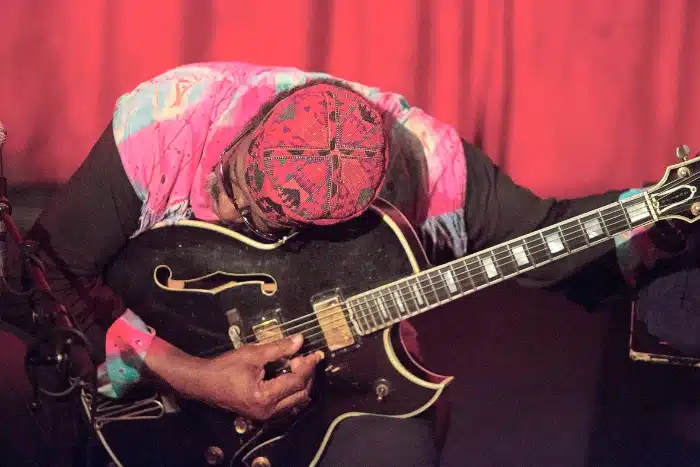
Willie James Ulmer avled den 3 juni i en ålder av 86 år. Sitt sista framträdande gjorde han vid Detroit Jazz Festival 1 sep. 2024. Han föddes i lantliga South Carolina 1940, den äldste av niosyskon. Vid mycket tidig ålder fick han en gitarr och ingick i faderns vokalkvartett The Southerns Sons. Blues var dock ett no-no i hemmet. Ulmer: ”Well, it (blues) wasn´t in there! It wasn´t in the house! Whether it was good or not, it never got in the door, because my folks were definitely gospel people. Nothing else existed. When I was a child, we were tutored intobeing gospel people.” (All About Jazz, 2005)
”Most folks start with the blues, but I skipped it because nobody didn´t play no blues in the house. We played gospel. I´m more of a blues singer than a blues player now…”. – – – ”Church music is so different. In church you sing about God; you don´t talk about how you felt last night. The blues, on the other hand, is information – something that consoles, or brings peace, or some news.” (Blues Revue nr 107, 2007)
När Ulmer var fjorton flyttade han till Pittsburgh, där han ackompanjerade doo wop-grupper. Nu med egen familj flyttade han efter några år vidare till Columbus, Ohio, och lirade bland annat med organisten Hank Marr. Efter sju år i Detroit med jazzgrupper blev New York nästa bopåle 1971. Där kom han i kontakt med avantgardesaxofonisten Ornette Coleman, mannen som lanserade spelstilen harmolodic (the HARmony, the rhythmic MOtion, and the meLODIC lines), vilken Ulmer lapade i sig. Ulmer: ”It´s fair to say that a certain kind of blues is the foundation of the harmolodic thing. If it´s free music, coming from the soul, playing any kind of changes and any number of bars, going somewhere else on a moment´s notice, that kind of blues is really ground zero for harmolodic music.” (Jazz Times July/August 2006) Han startade eget band och skivdebuten under eget namn 1978 blev ”Tales of Captain Black”, kallad ”a landmark harmolodic recording”, med George Adams på tenorsax. Sedan följde renommerade ”Are You Glad To Be In America?” (1980), ”Black Rock” (1982) och ”Odyssey” (1983).
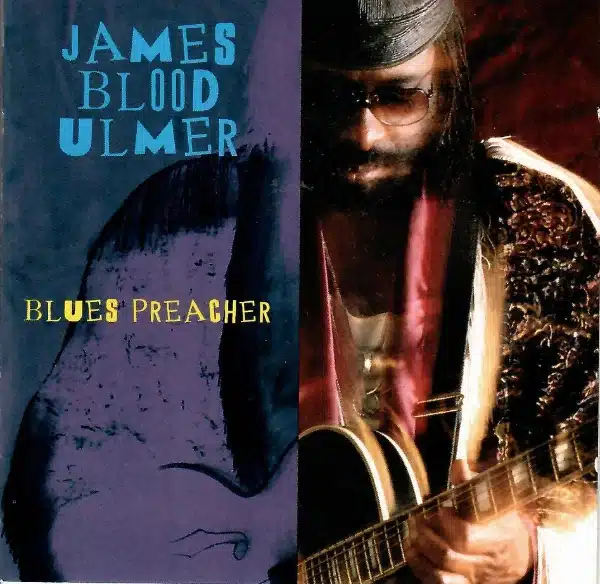
Så småningom vävdes mer av Ulmers rootsrötter in och hans särpräglade sång tog allt mer plats. 1989 kom ”Blues All Night” med Blood Ulmer Blues Experience, och 1990 ”Black And Blues”. I Jefferson nr 104 recenseras albumet ”Blues Preacher” (1992). (Ganska kritiskt från ett bluesperspektiv av undertecknad. 34 år senare gör jag tummen upp.) Fortfarande var dock merparten av hans skivor och konserter jazz med en – för gitarrister – unik spelstil. Runt sekelskiftet fick han ett bluesryck med ”Forbidden Blues” (1998), ”Blue Blood” (2001) och ”Memphis Blood: The Sun Sessions” (2001), den senare dedikerad till John Lee Hooker. De båda sistnämnda recenserades i nr 132. Ulmer fick blodad tand och 2003 kom ”No Escape From The Blues: The Electric Lady Sessions”, följd av ”Birthright” (2005) och ”Bad Blood In The City” (2007; rec. i nr 153). Sedan blev det jazzigare igen. 2011 kom dock ett samlingsalbum, ”Greatest Blues Hits”, med 20 låtar från bluesskivorna. Hans sista skiva var live från jazzfestivalen i Molde, Norge, 2017. En video ihop med basisten Bill Laswell kom 2021 – Laswell, som han spelat mycket tillsammans med genom åren.
Efter mitt misslyckade intervjuförsök, har jag alltså valt att lyfta fram en del citat från andra tidskrifter. Blood Ulmer var en så unik musiker, så synd att släppa honom utan några av många och klargörande uttalanden genom åren. Ornette Coleman gjorde honom till en unik jazzgitarrist, men hans gitarrkollega Vernon Reid (Living Colour, Black Rock Coalition) ska lyftas, som övertalade sin vän att satsa på bluesen också. ”Every time I´d see Vernon, he´d say, ’I want to produce a blues record for you.’ I said, ’A blues record? I´m not thinking of a blues record.’ – – – But he wouldn´t give up, and some kind of way they hooked it up with the record company. I said, ’I´ll trust you to produce the record. I´ve been knowing you a long time.’ He did everything: He picked the songs.” Vernon Reid: ”At a certain point, we werelistening to a playback of ’I want to be loved’ (från ’Memphis Blood’). Blood leaned back and said, ’Yeah, that´s the blues that mama didn´t want me to do’.” (Jazz Times, ibid.)
Ulmer: ”Blues without a social agenda is no blues at all. – – – ’It´s easy to overplay the guitar in certain situations, like the blues. The blues is so sensitive, it´s not an instrumental concept. At least country blues is not’. (Blues Revue, ibid.)
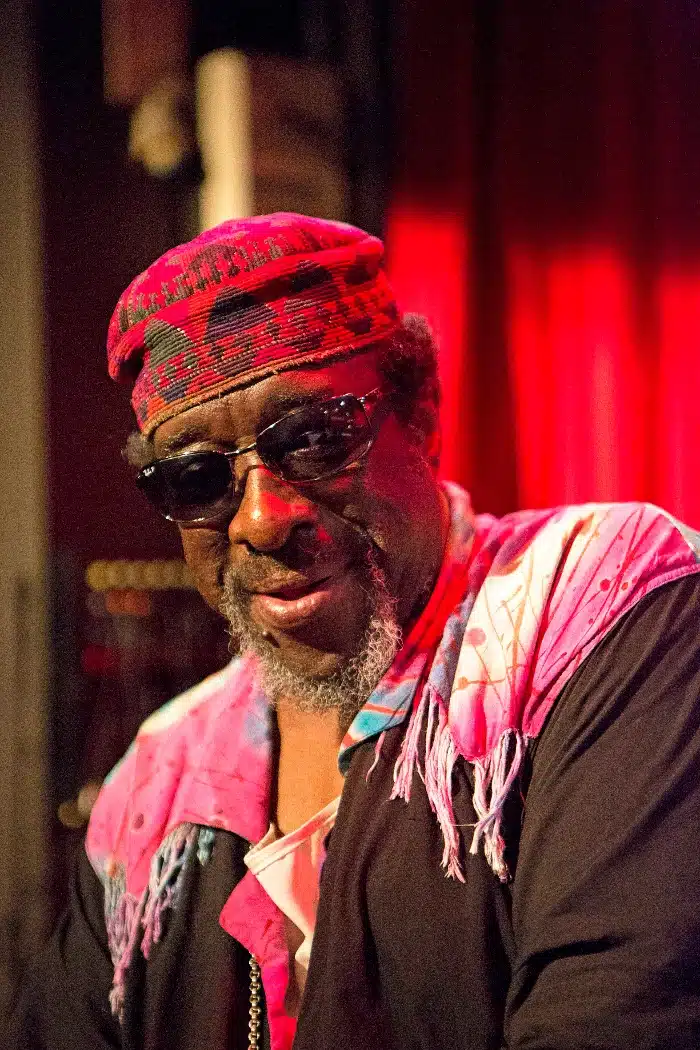
Ulmer: ”There´s power in the blues. That´s the only power – there´s only power in the blues, (snaps fingers) It makes you do things. It makes you react. It just makes you emotional. You find me fighting to keep my shit being stolen. I´m here to reposses all the music that was stolen from black people. (laughs) That´s what my attitude is.” – – – ”I must give thanks that I was blessed by God and do something that has sustained me until this point, ´cause without it I wouldn´t have known what I would have done. I would probably be lost in the wilderness, like a lost black sheep with nowhere to go (laughs), ´cause I sure wasn´t going to work for no 50 cent a day. That´s about it. That´s what my granddaddy said. That´s what my song, ’GeecheeJoe’ (”Birthright” album) is about. He left home right early ´cause he wasn´t going to workfor no white man. He left the South ´cause he wasn´t going to work for the white man becausethey didn´t pay him but 50 cent a day. That was a lesson I learned from my grandpa.” (LivingBlues, October 2007)
Vernon Reid, som producerade och spelade på några av Ulmers sessions, om när han upptäckte Ulmer tidigt 1980-tal: ”I was a huge fan of the ’Black Rock’ record and ’Are You Glad To Be In America?’. Certainly, that song was a rallying cry of the No Wave movementthat was happening in New York at the time, where you had punk musicians and jazz musciansgetting together after hours. What he was doing guitar-wise was incredibly oblique. You hadto develop your ear just to hear where he was coming from. He can be a neo-primitivist andat the same time he´s incorporating Ornette Coleman´s harmolodic ideas. But vocally, the only thing that came out was straight blues. You listen to ’Are You Glad To Be In America?’ and vocally, he has always been a blues singer.” (Living Blues, ibid.)
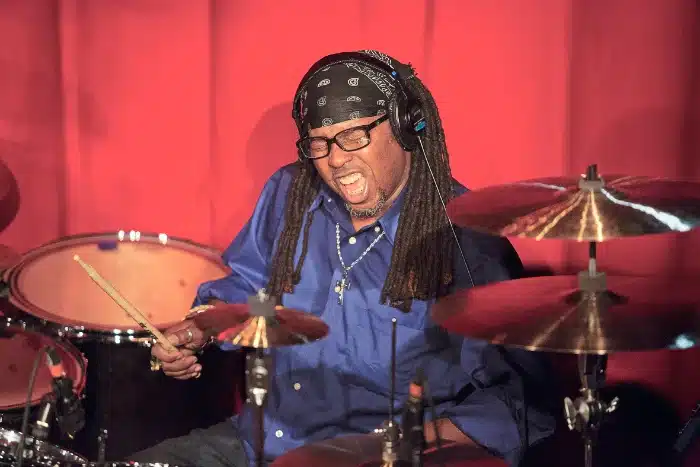
Mars 2012 hölls en minneskonsert, ”Robert Johnson At 100”, i Apollo Theatre, Harlem, New York. I ett ”All Star” husband ingick Blood Ulmer tillsammans med bl a Steve Jordan (dr), Keb Mo och Sugar Blue. Även Vernon Reids band Living Colour deltog. (Downbeat, mars 2012)
Framlidne musikkritikern Greg Tate: ”Blood Ulmer was the missing link between Jimi Hendrix and (his favorite guitarist) Wes Montgomery on one hand, and P-Funk and Mississippi Fred McDowell on the other.” (Village Voice)
Jimmy Johansson; sammanfattning av hans recension av ”Bad Blood In The City”: ”Denna platta har en nerv, närvaro och trovärdighet som många alster från andra sidan pölen idag totalt saknar. Så det är ganska självklart att rekommendera ’Bad Blood In The City’ som en makalöst bra bluesplatta!” (Jefferson nr 153, 2007)
Sista ordet går till Blood Ulmer: ”One thing about the blues: blues is harmolodic, it is free. The first free music that we had in this country that was accepted was blues. It was free, you could sing, ’oh baby, stop and make a sandwich’, start playing – they were doing some freestuff!” (All About Jazz, ibis.)
Text: Tommy Löfgren
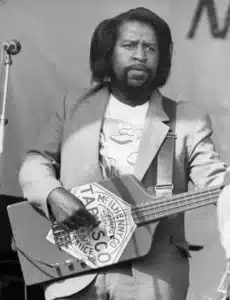
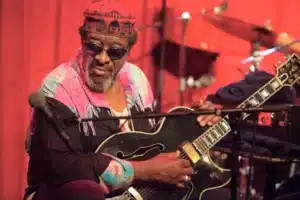
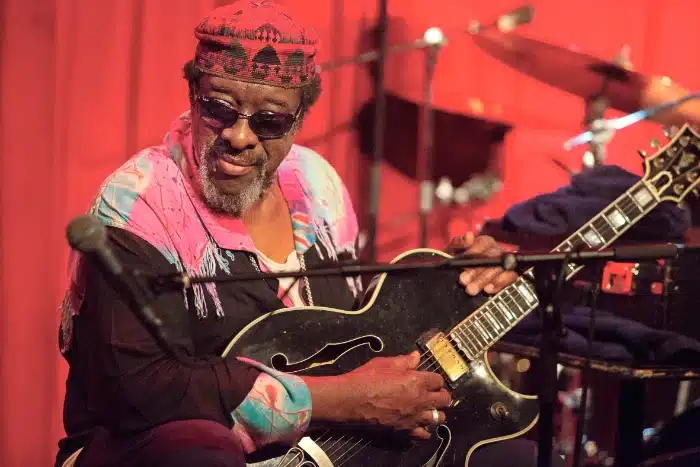
Bild: Hans Ekestang / Rockshot från Fasching 2014
Fotnot: Rubriken courtesy Downbeat, december 2005: artikeln ”Blues Album of the Year (’Birthright’)”. Ken Micallef intervju med Blood Ulmer.